

Managing HR and employment law can feel like a full-time job in itself.
From contracts and policies to sickness absence, disciplinary processes, employee training and changing employment legislation, businesses need to get a lot right.
And when HR systems, training providers and employment law advisers all sit separately, it can become difficult to know what needs to be done, who is responsible and whether the right process has been followed.
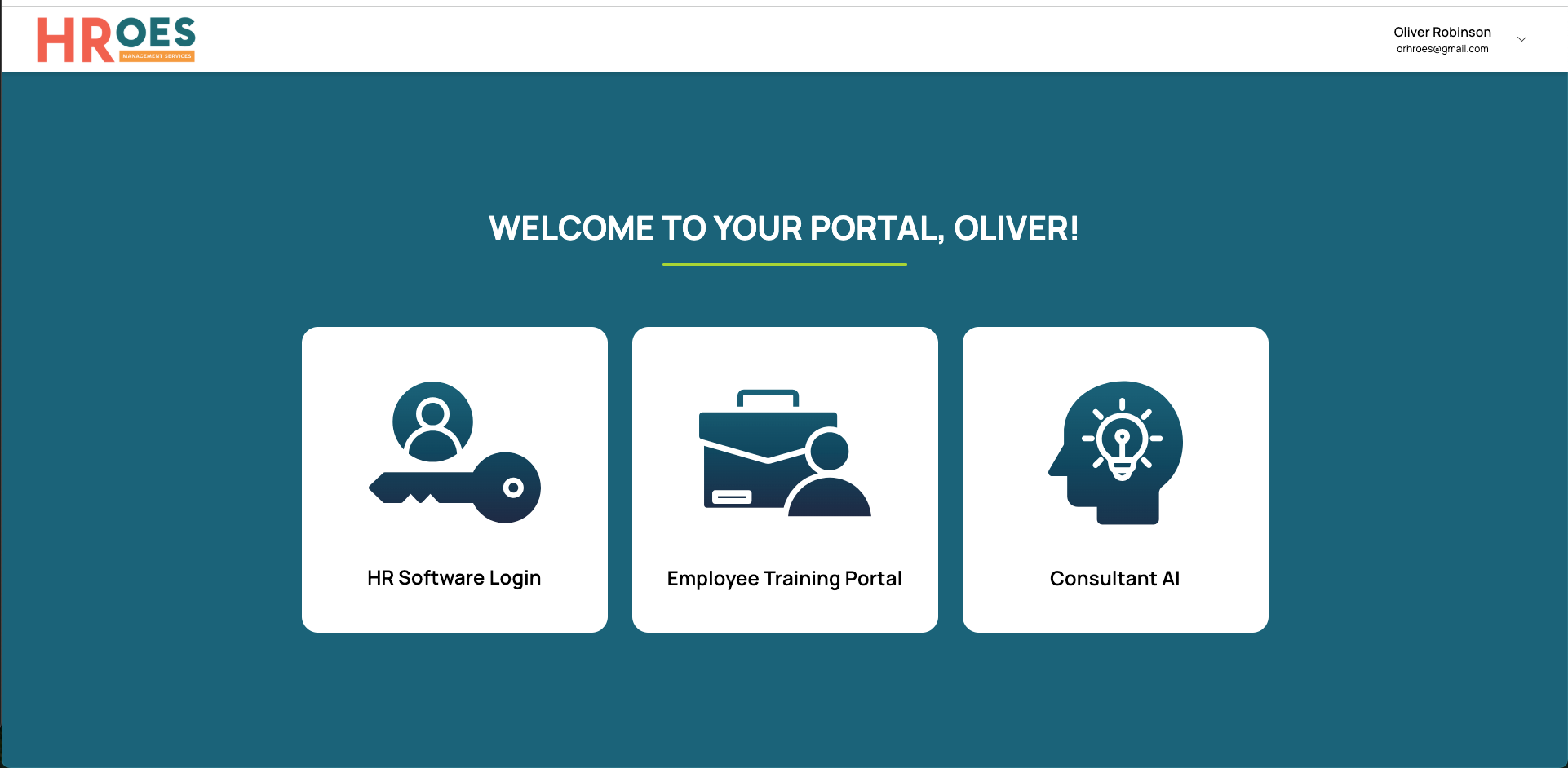
That is why HRoes brings HR software, employment law support, workplace training, tribunal cover, and AI-powered HR assistance together in one platform.
The result? A simpler way for UK businesses to manage people, stay compliant and reduce employment risk.
What is an all-in-one HR platform?
An all-in-one HR platform brings the key tools and support businesses need to manage their employees into one connected system.
Instead of using separate providers for:
HR software
Employment law advice
HR consultancy
Employee training
Policies and documentation
HR processes
Compliance records
Businesses can manage these areas through a single platform.
For SMEs in particular, this can make HR easier to manage by reducing administration and giving managers a clearer process to follow.
UK employers have legal responsibilities covering areas such as contracts, pay, working hours, leave, discrimination and dismissal. Keeping accurate records and having appropriate workplace policies are also important parts of managing employment compliance.
Why fragmented HR systems can create risk
A typical HR setup might involve one provider for HR software, another for training and a separate employment law helpline.
That might seem manageable until a difficult employee issue arises.
For example:
An employee raises a grievance.
The manager needs to understand the process.
HR needs to review the employee’s contract and policies.
Someone needs to document the investigation.
The business may need employment law advice.
The manager may need guidance on what they can and cannot say.
Suddenly, what started as an HR issue has become a process involving several different systems and providers.
And the more complicated the process becomes, the greater the opportunity for something to be missed.
ACAS provides guidance across areas including discipline, grievance, contracts, dismissal, redundancy, discrimination and workplace conflict, highlighting just how many different areas employers need to consider when managing people.
The answer isn’t simply more HR tools. It’s better-connected HR.
HR software, employment law and training in one place
HRoes has been designed around employment risk rather than simply HR administration.
The platform brings together four key areas:
1. HR software
Manage everyday HR processes and employee information from one platform.
This includes tools for areas such as:
Employee records
Contracts and policies
Holidays, leave and absence
Performance management
Disciplinary processes
Grievances
Right to Work checks
Onboarding and offboarding
HR documentation
Reporting
Compliance records
The aim is to make HR processes more structured, consistent and easier to evidence.
2. Employment law advice
HR software can help you manage a process, but it cannot replace professional judgement when an issue becomes legally complex.
That’s why HRoes combines its platform with access to employment law specialists.
Businesses can raise HR and employment law cases directly through the platform, giving them a route to specialist support when they need it.
This is particularly important for higher-risk situations such as:
Disciplinary action
Dismissals
Redundancy
Grievances
Discrimination complaints
TUPE
Performance and capability issues
Employment disputes
ACAS notes that its Codes of Practice set minimum standards of fairness that employers should follow and that employment tribunals can take them into account.
Having access to appropriate advice before taking action can therefore be an important part of managing employment risk.
3. AI-powered HR support with HaRi
One of the biggest challenges for HR teams and SME owners is getting an answer when they need it.
That’s where HaRi, HRoes’ AI-powered assistant, comes in.
Powered by HRoes’ employment law expertise, HaRi provides instant support with HR and employment law questions.
Businesses can use HaRi as a first point of support for everyday HR questions, helping them understand what they need to consider and what the next step may be.
For example:
“How should I approach a disciplinary process?”
“What should I include in this HR policy?”
“What should I consider before dismissing an employee?”
“What steps should I take when dealing with a grievance?”
For more complex or high-risk matters, users can connect with HRoes’ employment law specialists directly through the platform.
AI shouldn’t replace employment lawyers
AI can make HR support faster and more accessible, but not every employment issue should be handled by AI alone.
Employment decisions can depend heavily on the individual circumstances, contracts, policies, evidence and history involved.
That’s why the combination of AI assistance + human HR expertise + employment lawyers is important.
HaRi can help businesses get started quickly, while more complex matters can be escalated to people with specialist employment law expertise.
4. Employee training and compliance
Compliance isn’t just about having the right policy.
Your managers and employees also need to understand their responsibilities.
HRoes provides CPD-accredited workplace training covering areas such as:
Sexual harassment
Anti-discrimination
Data protection
Equality, diversity and inclusion
Employment law
Workplace behaviour
Other key compliance areas
Training records and certificates can be connected to employee records within the HRoes platform, helping businesses maintain a centralised record of compliance activity.
This can be particularly valuable when demonstrating what training has been provided and what steps the organisation has taken to reduce workplace risk.
For example, ACAS advises employers to understand discrimination law, maintain appropriate policies and train staff and managers as part of preventing discrimination.
Why combining HR software and employment law matters
Traditional HR software is often designed primarily to store information and automate administration.
But HR problems don’t always stay administrative.
A sickness absence can become a capability issue.
A performance concern can become a disciplinary matter.
A grievance can become a discrimination complaint.
A contract change can become an employment dispute.
HR risk moves. Your HR solution needs to move with it.
HRoes connects HR processes with employment guidance so businesses have a clearer route to:
Identify → Understand → Act → Document → Protect
That is the thinking behind HRoes’ approach to employment risk management.
What are the benefits of using one HR platform?
For businesses considering an all-in-one HR solution, there are several potential benefits.
Less administration
Instead of switching between multiple systems, HR information, processes, training and support can be managed through one platform.
Faster access to answers
AI-powered support can help answer everyday HR questions quickly, while more complex matters can be escalated to HR and employment law specialists.
More consistent processes
Structured workflows can help managers follow the appropriate process rather than trying to work everything out from scratch.
Improved documentation
Keeping records of HR processes, training and decisions creates a clearer audit trail.
Greater visibility
HR teams and business owners can see what is happening across their workforce and identify issues earlier.
Reduced employment risk
The goal isn’t simply to make HR administration easier. It’s to help businesses identify and manage employment risk before it becomes a costly dispute.
Is HRoes suitable for SMEs?
HRoes is designed specifically around the needs of UK SMEs.
Many smaller businesses don’t have an in-house employment lawyer or large HR department.
That doesn’t mean they have fewer employment law responsibilities.
In fact, small businesses still need to manage areas such as:
Employment contracts
Holiday and absence
Performance
Discipline
Grievances
Equality and discrimination
Workplace policies
Employee training
Dismissals
Changing employment legislation
Government guidance makes clear that UK employers have legal obligations covering areas including pay, working hours, leave, contracts, health and safety, discrimination and dismissal.
An integrated HR platform can therefore give SMEs access to technology and specialist support without requiring them to build an entire HR function internally.
The future of HR is connected
HR technology is evolving quickly.
AI is making it possible to get answers faster. HR software is automating more processes. Online learning is making compliance training easier to deliver and track.
But technology alone isn’t enough.
The real opportunity is connecting these tools.
Software + AI + training + HR expertise + employment law support.
That’s the approach behind HRoes.
Instead of asking:
“Which HR system should we use?”
Businesses should be asking:
“How can we manage our entire employment risk in one place?”
What happens if the worst happens?
Even with the right HR processes, expert advice, training and documentation in place, employment disputes can still happen.
That’s why HRoes goes one step further.
As part of our unified offering, Employment Risk Cover provides insurance-backed protection of up to £250,000 for eligible employment claims, including applicable legal costs and compensation or settlement costs, subject to the terms, conditions, exclusions and limits of the policy.
So, if the worst happens and an employment issue escalates into a tribunal claim, you’re not left to deal with the financial and legal consequences alone. Eligible claims can include matters such as unfair dismissal, discrimination, harassment and other employment disputes, with tribunal representation available as part of the relevant cover.
And that is what makes the HRoes approach different. We don’t just help you prevent employment problems – we help you manage them, build the evidence to support your decisions and provide an additional layer of financial protection if an eligible claim arises.
It means your protection doesn’t stop when something goes wrong.
You have support before the problem, during the problem and – if the worst happens – protection when you need it most. That’s complete employment risk management in one platform.
One platform. Full compliance.
HR shouldn’t require businesses to juggle multiple systems, providers and sources of advice.
HRoes brings HR software, employment law support, workplace training and HaRi, our lawyer-powered AI assistant, together in one platform.
So whether you need to manage an employee, check a process, access training, ask an HR question or escalate a complex employment matter, you have a connected solution in one place.
Because protection shouldn’t start when something goes wrong.
It should start with getting HR right in the first place.
One platform. Full compliance. Protection, not heroics.